
Space-saving furniture ideas for studio flats
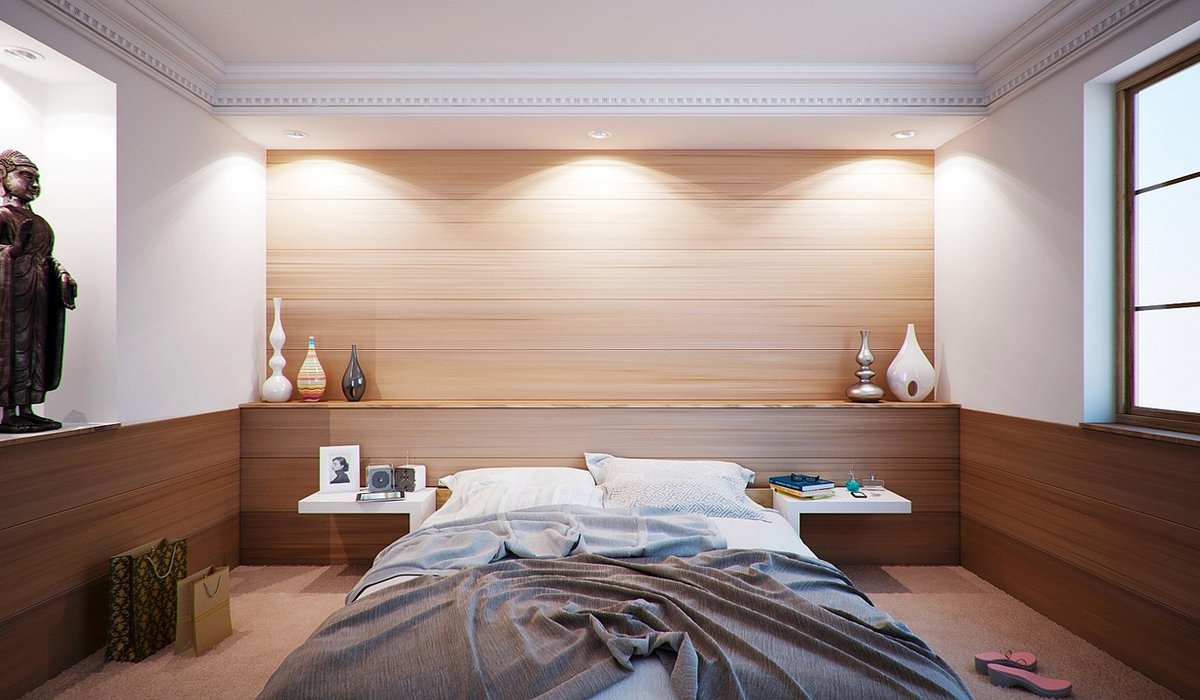
A studio flat asks a lot of its furniture. The same four walls have to serve as bedroom, living room, dining room and sometimes office, often with a kitchenette squeezed into the corner. The trick isn't to buy less, it's to buy cleverly: choose pieces that fold, nest, stack or hide things inside, so a single object does the work of two or three. Here are the ideas that make the biggest difference in a small British rental or owned studio, whether you're working with a Victorian conversion or a modern purpose-built block.
Start with a plan, not a shopping list
Before you spend a penny, measure your floor properly, including door swings, radiator clearance and the arc of any windows that open inwards. Then sketch a simple bird's-eye plan on graph paper, marking where you need clear walking routes between the front door, the kitchen, the bathroom and the bed. Most studio frustration comes from blocked paths rather than lack of storage.
Next, jot down the jobs your furniture needs to do across a typical week. Eating, working, hosting the occasional friend, sleeping and storing clothes and bedding will almost certainly be on the list. When you can see those jobs written down, multi-purpose pieces stop looking like gimmicks and start looking like the obvious answer.
Fold-away tables that earn their keep
A fixed dining table in a studio is usually a mistake. It dominates the room on the ninety per cent of days you eat from a lap tray or a sofa, and you spend the whole time shuffling around it. A drop-leaf or gateleg table solves this neatly: leaves fold down against the wall when you're not using them, then extend to seat two or four when friends come over.
Wall-mounted folding tables are even better where floor space is genuinely tight. They hinge flat against the wall, often doubling as a console or shelf, and swing up when needed. A few things to weigh up before buying:
- Depth when folded: look for 15–25cm so it sits flush behind a sofa or beside a wardrobe.
- Support legs: a single gateleg is quicker to deploy than a full trestle, but check it feels stable when loaded.
- Fixings: wall-mounted versions must go into brick, block or a stud, never just plasterboard.
- Surface height: around 72–75cm suits dining chairs; a lower 60cm version works nicely as a coffee or laptop table.
If you work from home, a folding desk that shares the same principle keeps your office from colonising the whole flat. Choose one with a shallow shelf for a laptop and a small drawer for pens and cables, and clear it completely at the end of the day. That ritual matters as much as the furniture itself.
Nesting tables and stackable seating
Nesting side tables are the quiet heroes of small-space living. A set of two or three tucks together into the footprint of the largest one, then fans out when you need a surface for drinks, a lamp or a bowl of crisps. They're ideal beside a sofa or armchair where a full coffee table would feel oppressive.
Look for sets with a height difference of at least 5cm between each table so they slide apart easily, and check the undersides for sharp edges if you'll be dragging them across a wooden floor. Felt pads underneath protect both the floor and your neighbours' patience.
Seating can nest too. Stacking stools, folding chairs and low poufs that tuck under a console mean you can seat four without dedicating four chairs' worth of floor to them. A pair of folding chairs hung on wall hooks is a classic studio solution, and far kinder on your back than perching on the bed.
Storage ottomans and beds that hold things
An ottoman that looks like a footstool but lifts to reveal a linen-lined void is one of the best value purchases you can make. Use it for spare bedding, winter jumpers, board games or the ironing board you'd rather not see. Choose one with a gas-lift hinge rather than a removable lid, so you can open it one-handed while holding something else.
Ottomans also work as temporary seating, a coffee table with a tray on top, or a bedside surface if you add a small tray for a lamp and phone. The trick is to pick a size that matches your room: around 60–80cm square is generous enough to be useful without swallowing your floor.
If your bed is the biggest item in the room, make it work harder. Under-bed drawers on castors, a divan base with built-in storage, or a simple raised frame with lidded boxes beneath will absorb a surprising amount of clutter. Just leave enough clearance for drawers to open and for air to circulate around the mattress.
Think vertically and choose light, quiet finishes
When you can't spread out, go up. Tall, narrow shelving, wall hooks, over-door racks and a slim bookcase that reaches almost to the ceiling use the height of the room rather than its precious floor. Keep the top two shelves for things you rarely need and the eye-level ones for the objects you actually love.
Finishes matter too. Pale walls, light woods and a single accent colour make a compact room feel calmer, while a large mirror opposite a window bounces daylight into darker corners. Avoid bulky, dark furniture that visually crowds the space, and resist the urge to fill every surface. A little emptiness is what makes a small room feel generous.
Finally, buy slowly. Live with a piece for a fortnight before you commit to the next one, and let the room tell you what it still needs. A studio furnished with a handful of well-chosen, folding, nesting, storing pieces will always feel more spacious and more welcoming than one crammed with furniture that only does one job.

4 Comments