
Small bedroom layout tips for compact Victorian terraces
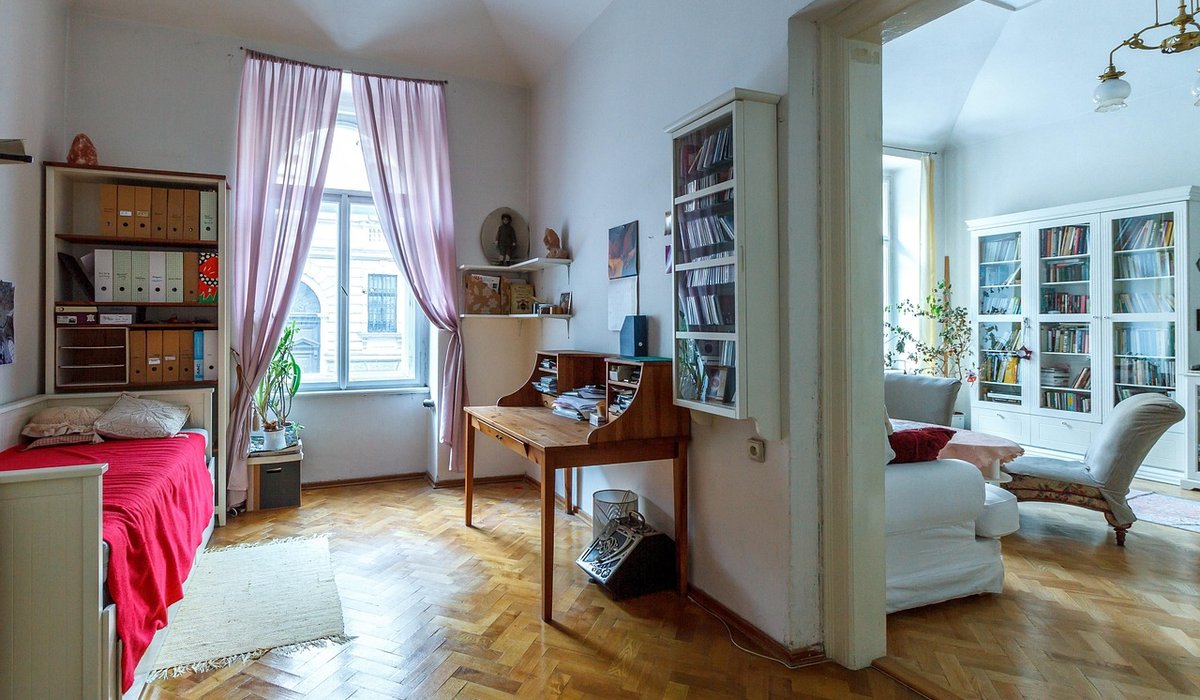
Work with the architecture, not against it
Victorian terraces are generous in height and stingy in width, and that shape is the whole puzzle. Most bedrooms in these houses come with a chimney breast pushing 35–45cm into the room, a pair of alcoves either side, a deep sash window, a radiator tucked beneath it, and a door that swings inwards across the best corner of the room. Before you buy a single thing, spend twenty minutes with a tape measure and a sheet of graph paper, letting one square equal 10cm. Draw the chimney breast, the alcoves, the window reveal, the radiator, the skirting and the full arc of the door. That rough plan will save you money and, more importantly, save your shins.
The good news is that period proportions reward cleverness. High ceilings mean you can build upwards without feeling hemmed in. Alcoves that seem like awkward leftovers become the best storage and bedside spots in the house. The trick is to stop treating these features as obstacles and start designing around them deliberately.
Bed placement: the decision that changes everything
Get the bed wrong and no amount of styling will rescue the room. Aim for at least 70cm of clear floor along the side you actually get out of, and 60cm at the foot if you can find it. Anything tighter and you will be shuffling sideways every morning.
- Use an alcove. A single bed at 90cm wide slips neatly into most Victorian alcoves, head against the back wall, freeing the entire centre of the room. Alcoves rarely take a small double at 120cm, so measure before you get hopeful.
- Avoid the radiator. Pushing the bed under the sash window feels like the obvious answer, but blocking a radiator wastes heat and puts you in the coldest draught in the house. If there is nowhere else, choose a low or absent headboard so the sill and the heat can breathe.
- Try the chimney breast wall. A headboard centred on the breast, with the bed running out into the room, gives you a symmetrical, hotel-like layout and leaves both alcoves free for storage.
- Accept one-sided access. In rooms under 3m wide, a double bed against the wall is often the honest answer. Just make sure the open side is the one you use to get up.
Choose furniture by depth, not by width
It is depth that eats floor space, and it is depth that most shoppers ignore. A standard bedside table is around 45cm deep; a slim one at 30cm gives you back 15cm along the whole side of the bed, which in a compact room is the difference between a cramped shuffle and a comfortable step. Look for wall-hung bedsides, narrow console tables, floating shelves or even a single wall-mounted shelf with a small lamp clamped to it.
The same logic applies to storage. A full-depth wardrobe at 60cm will dominate a small bedroom, so consider a 40cm-deep version with a shallower rail, a pair of open rails with canvas baskets beneath, or hooks and a peg rail behind the door for dressing gowns and tomorrow's clothes. Furniture with legs, rather than a solid plinth, also lets the floor run underneath and makes the room read as larger. If you are buying second-hand, take a tape measure with you — older pieces are often beautifully made but generously proportioned.
Under-bed storage that actually gets used
The space beneath a bed is the most valuable real estate in a small Victorian bedroom, and the most commonly wasted. A divan with two drawers gives you roughly the equivalent of a chest of drawers without occupying an inch of wall. An ottoman bed with a gas-lift mechanism lifts the whole mattress to reveal a single large void, which suits suitcases, spare bedding and out-of-season clothing far better than shallow drawers do.
- Measure the clearance first: most under-bed drawers need around 25–30cm, and you still need room for the drawer to pull out.
- Use vacuum bags for duvets and winter coats — they can shrink bulky items by more than half.
- Keep a shallow lidded box for the things you reach for weekly, and reserve the deepest, least accessible corner for the once-a-year items.
- Leave a small gap between stored items and the underside of the bed so the mattress can breathe, and air the room properly when you change the bedding.
Light, colour and the vertical dimension
Victorian ceilings are your greatest asset, so use them. Hang curtains from just below the cornice rather than from the window frame, and let them fall to the floor — a short curtain chops the wall in half and makes the room feel squat. Painting walls and ceiling in closely related tones blurs the edges of the room and makes the boundaries disappear, especially in north-facing rooms where cool light already shrinks the space.
Keep the lower half of the room visually quiet. Low furniture, a pale floor, and lighting at two or three levels — a ceiling pendant, a wall light beside the bed, a small lamp on a shelf — let the eye travel upwards instead of snagging on clutter. A mirror placed to catch the window light bounces brightness into dark corners, and a slim picture or two stacked vertically will draw attention to the height rather than the width.
Small moves that buy back real floor space
- Swap a swinging door for a sliding one, or pin it open and use a curtain across the doorway if the swing is genuinely unusable.
- Fit a vertical radiator to release the wall under the window for a slim desk or dressing table.
- Add a folding stool or a slim bench that tucks under a shelf, rather than a permanent chair.
- Fit hooks and a peg rail at eye level — they hold more than a chair ever does, and nothing ends up on the floor.
- Leave roughly a tenth of the room empty. A little breathing space around the bed is what makes a small room feel calm rather than merely full.
None of this requires a builder or a big budget. It requires measuring carefully, thinking in depth rather than width, and being ruthless about what earns its place in a room that has to work hard for you.

4 Comments