
Simple shelf styling ideas for everyday living rooms
Why three is the magic number
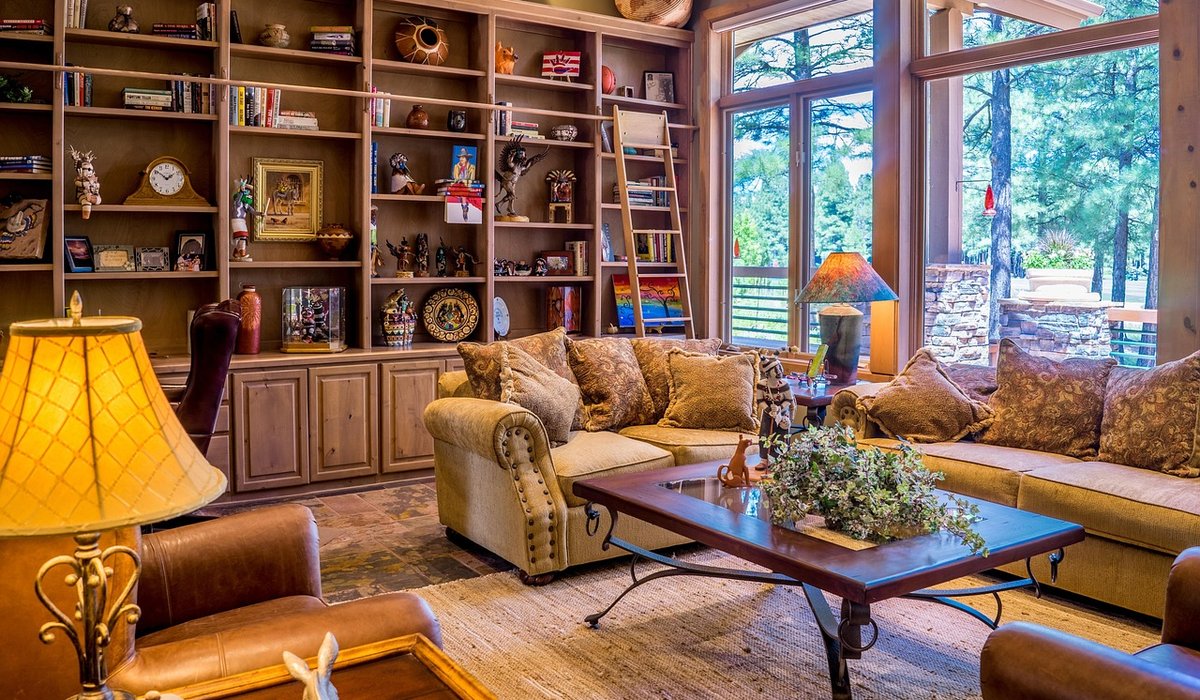
A shelf can hold a great deal, but that does not mean it should. The most restful displays in everyday living rooms tend to follow one simple pattern: objects gathered in groups of three, with clear space around each cluster. It sounds almost too easy, yet it works because the eye likes a rhythm it can follow without effort. Three items give you enough variety to feel interesting and enough restraint to feel calm.
This is not about creating a showroom. It is about shelves that hold the things you genuinely use — the paperback you are halfway through, the jug you found on a weekend away, the little fern that somehow keeps going — arranged so the whole thing feels considered rather than crowded.
Start with what you already own
Before you buy a single thing, take everything off the shelf. Lay it out on the floor or the sofa and look at it properly in daylight. Most of us own far more suitable objects than we realise; they are just hidden behind each other or spread across three different rooms.
Sort what you have into three rough families:
- Books — hardbacks, paperbacks, cookbooks, the ones you reread.
- Ceramics — jugs, bowls, small vases, a favourite mug that has earned its place.
- Living things — small houseplants, a trailing ivy, a pot of herbs on the kitchen shelf.
You will usually find you have more than enough. The trick is choosing fewer pieces and giving each one a bit of room.
Build a base with books
Books do the heavy lifting on any shelf. They add height, colour and weight, and they stop a display from floating. The most useful approach is to mix upright rows with short horizontal stacks. A row of standing books anchors one end of the shelf; a stack of three or four lying flat becomes a plinth for a small vase or a plant.
Keep the stacks short. Five or six books laid flat starts to look top-heavy and you lose the sense of airiness. If your paperbacks are a jumble of colours, try grouping similar tones together rather than arranging a strict rainbow — it reads as gentler and less contrived.
One more thing: leave a gap. Books pressed tightly from end to end look like storage, not styling. A few centimetres of shelf visible between the row and the next group makes all the difference.
Add ceramics and small plants
Once the books are sitting happily, layer in your ceramics. Vary the heights so the eye travels: a tall jug at the back, a low bowl in front, a small pot to one side. Mixing a matte finish with a glazed one adds quiet interest without noise.
For plants, choose something that suits the light you actually have. A snake plant or a spider plant copes with a shadier corner; a small pothos will trail nicely off the edge of a shelf in brighter spots. Keep the pots plain — terracotta, off-white, soft grey — so the foliage does the talking. Grouping a plant with two ceramics gives you a trio that feels deliberate, and repeating that same combination further along the shelf ties the whole display together.
Leave room to breathe
This is the step most people skip, and it is the one that makes the biggest difference. Breathing space does not mean an empty shelf; it means a visible gap between groups. Aim for roughly five to eight centimetres of clear shelf between one cluster and the next, and leave about a third of the total length completely bare.
A few practical rules to keep in mind:
- Place your groups off-centre rather than evenly spaced — it looks more natural.
- Never let a tall object sit directly beside another tall object; alternate heights.
- Resist filling the gap when you find a lovely new piece. Swap something out instead.
- Stand back and squint. If it looks busy from across the room, it will feel busy every day.
Making it work in small spaces
Small living rooms reward restraint even more. In a narrow alcove or on a chimney-breast shelf, use one group of three per shelf rather than two or three small clusters, and keep the whole display to a tight palette of three or four colours. Fewer, larger groupings read as calm; lots of tiny ones read as clutter, however charming each object is.
Wall-mounted ledges work well in rented homes and awkward corners, because you can position them at eye level instead of wherever a builder once decided. Fix them firmly, keep the weight light, and treat each ledge as a single composition rather than a row of separate displays.
Finally, give yourself permission to edit. Rotate a couple of pieces every few months, bring a plant back from the windowsill when it needs a rest, and let the shelf change as the seasons do. A display that is easy to adjust is one you will actually keep looking after — and that, more than any rule about threes, is what makes a shelf feel like home.

4 Comments