
How to make a small kitchen feel bigger with colour
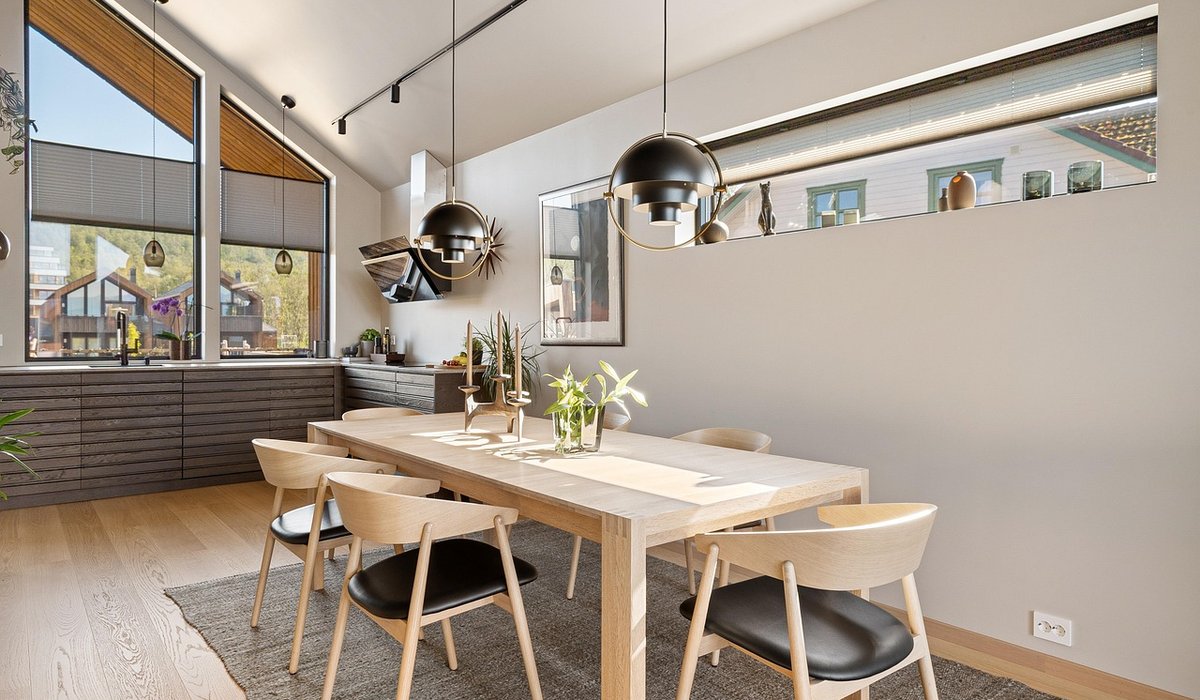
Why colour changes how big a small kitchen feels
In a compact kitchen, every surface sits close to every other surface, so colour choices are magnified. A dark cabinet run facing a dark wall creates a tunnel; the same run in a pale shade with a bright splashback feels twice as wide. The goal isn't to make the room look empty — it's to remove the visual stops that tell your eye where the space ends. Light tones, low contrast and a touch of sheen do that job beautifully, and they cost no more than the alternative.
Choose light cabinets, but skip the clinical white
Pale cabinetry is the single biggest lever you have. A run of soft off-white, pale grey, warm stone or washed sage will lift a galley kitchen in a Victorian terrace without feeling like a dentist's surgery. Pure brilliant white can turn cold in a north-facing room, so look for shades with a hint of warmth — greige, bone, oatmeal or a very pale green.
Two practical details matter as much as the shade itself:
- Finish: a satin or low-sheen eggshell bounces light softly, while high gloss reflects hard and shows every fingerprint. Matt looks calm but can dull a dark corner.
- Handles: brushed brass, nickel or pale wood knobs add warmth without adding visual weight. Chunky black handles on pale doors create sharp contrast that fragments the run.
- Continuous lines: take cabinets to the ceiling if you can. A gap above them collects dust and chops the wall into two horizontal bands.
If you want a darker accent, keep it low and small — a deep green base unit under a run of pale wall cupboards reads as grounding rather than gloomy.
Make the splashback and worktop do the reflecting
The splashback is the one place a small kitchen can afford a bit of shine. Pale gloss ceramic, a smooth sheet of glass or a light quartz upstand will throw light back across the worktop and make the gap between wall and base units feel generous. Match the tone to your cabinets rather than fighting them; a quiet tone-on-tone scheme reads as one continuous surface, which is exactly what you want.
Worktops work the same way. Pale stone-effect laminate, light oak or a soft white solid surface will keep the eye moving. If you love a dark worktop, use it on one short run only, never on both sides of a narrow galley. And choose grout that matches your tiles — dark grout lines turn a pretty splashback into a grid.
Run one floor straight through the space
Nothing shrinks a kitchen faster than a change of flooring at the doorway. Where your budget and subfloor allow, continue the same floor from the hallway or living area straight into the kitchen. The eye reads it as one uninterrupted room, and the space instantly feels longer.
Pale wood-effect planks laid lengthways will stretch a narrow galley. Light stone-effect tiles work well in busy family kitchens and are easy to mop. If a full replacement isn't on the cards, choose a floor that sits within a shade or two of the adjoining room rather than contrasting with it. Keep the finish matt — a highly polished floor shows every crumb and reflects ceiling clutter back at you.
Paint the walls, ceiling and trim to disappear
Treat the walls as a backdrop, not a feature. A soft off-white or barely-there grey in a washable matt emulsion will keep the room feeling airy, and using the same colour on the ceiling stops the eye from noticing a low head height. Paint the skirting and door frames in the same tone rather than brilliant white; fewer edges means fewer places for the eye to stop.
If you want personality, add it in textiles and small objects — a striped tea towel, a bright kettle, a bowl of lemons — rather than on the walls. Those things are easy to change when you fancy a shift.
Finishing touches that keep a compact kitchen practical
A bright kitchen still has to work. A few hardworking choices make the difference:
- Lighting: layer it. Warm under-cabinet strip lighting on the splashback kills shadows on the worktop, while a single pendant over the sink adds a focal point. Stick to bulbs around 2700–3000K so the pale scheme stays cosy rather than blue.
- Mirrors and glass: a slim mirror on the end wall or glass-fronted upper cabinets will double the light without eating floor space.
- Vertical storage: a rail for utensils, a magnetic strip for knives and a tall narrow pull-out for bottles keep worktops clear, and clear worktops are what make a small room feel generous.
- Keep it clutter-free: pale surfaces forgive a lot, but not a jumble of appliances. Store what you don't use daily and let the colour scheme breathe.
Get the palette right and a compact kitchen stops feeling like a compromise. It becomes a bright, calm, genuinely pleasant room to cook in — and you'll notice the difference every single morning.

4 Comments