
How to create a hygge-inspired corner in a rented home
Hygge is less about buying things and more about lowering the temperature of a room — the lighting, the pace, the sense of being off-duty. That is hard to achieve across a whole rented flat with its magnolia walls and borrowed furniture, but it is entirely possible in one corner. A chair, a throw, a candle and a narrow shelf are enough to carve out a small retreat that costs very little and leaves no trace on the deposit.
Start by choosing the right corner
The best hygge corner is not always the prettiest one. Before you move a single cushion, spend an evening watching how you actually use your home.
- Look for a socket within easy reach — you will want a lamp, and extension leads trailing across the floor undo all the calm.
- Avoid the main walking route between the door and the kitchen. A retreat that everyone squeezes past never feels like a retreat.
- Think about light at 4pm, not midday. A west-facing window gives you warm evening light; a north corner can feel grey and cold unless you compensate with lamps.
- Steer clear of radiators and draughty doors. Keep textiles at least 30cm from a radiator, and if the corner sits next to a draughty front door, that is a job for a draught excluder rather than a wool throw.
- Check for damp. If paint is bubbling or the wall feels cold and clammy, pick another spot — no amount of candles will fix a damp corner.
Awkward spots are often the best ones: the recess beside a chimney breast, the dead space at the end of a hallway, the alcove under the stairs, or the corner of a bedroom that only ever holds laundry.
Anchor the space with a proper chair
Hygge begins with a body that is comfortable. You need an armchair you can curl up in rather than perch on, ideally 70–80cm wide so it fits a tight corner without swallowing it. High street and second-hand shops are full of compact tub chairs and fireside chairs, and a plain one in a neutral fabric will sit happily in any room you move to next.
If the chair has room, add a small footstool — it makes an enormous difference to how long you will actually sit there. In a truly tiny space, an oversized floor cushion or a folding chair with a sheepskin over it works just as well. Test one thing before you commit: can you reach your shelf, your mug and your lamp without standing up? If not, shuffle things closer.
Layer the textiles
Softness is what separates a corner from a chair in a corner. Wool is the workhorse here — a lambswool or merino throw holds warmth in a way that thin cotton never does.
- One generous throw, folded over the chair back or draped across one arm so it looks used rather than styled.
- Two cushions in roughly 45cm squares, plus a small rectangular one at your lower back if the chair needs support.
- A sheepskin or faux sheepskin over the seat — brilliant in winter and easy to shake out.
- A small rug, even 120 x 170cm, to define the corner on bare laminate or floorboards. Add an anti-slip pad underneath.
Stick to two or three colours: oatmeal, clay, sage, charcoal, deep rust. Everything should look as though it belongs in the same room, because it does. Washable covers matter more in a rental than you might think — they are what keeps a light-coloured chair looking good after two years of tenancy inspections.
Light it softly, and safely
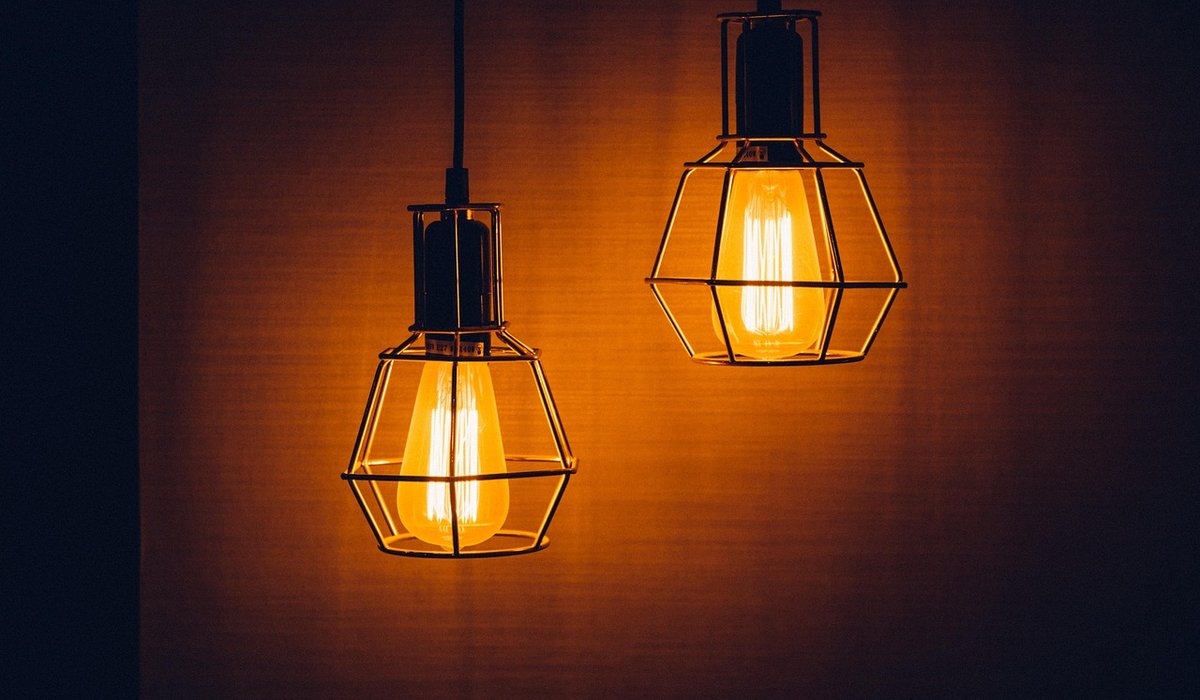
Overhead lighting flattens a room. The trick is three small light sources at different heights instead: a table lamp on the shelf, a floor lamp or clip-on light behind the chair, and a candle at eye level.
If your tenancy agreement bans naked flames, battery-operated LED candles give you the flicker without the risk — and a warm-white bulb at around 2700K does more for the atmosphere than any expensive lamp fitting. If you do use real candles, choose unscented ones in a glass or ceramic holder on a heatproof tray, trim the wick to about 5mm before each burn, keep them well away from throws and curtains, and never leave them burning when you leave the room or go to sleep. A plug-in timer is a quiet luxury: you walk in and the corner is already glowing.
Add a small shelf that needs no drilling
Floating shelves need a drill and a landlord's blessing, so look for freestanding or removable alternatives: a narrow ladder shelf, a slim bookcase no more than 25cm deep, a leaning shelf, or a wall shelf fixed with removable adhesive strips rated well above the weight you plan to put on it. An over-door hook rack works in a hallway corner.
Sit in the chair and work out where your eyeline falls — that is shelf height. Then style it in groups of three: something tall (a few books), something small (a mug, a dish for rings), and something living or organic (a pothos, a snake plant, a dried stem). Lean a small framed print against the wall rather than hanging it, and you have changed the corner without changing the property.
Finish it, then keep it easy to undo
A woven basket for spare throws, a small side table for a mug and a plate, and a candle in a holder you actually like will make the corner feel finished rather than assembled. Keep a note of anything you have stuck, hooked or leaned, so you can reverse it quickly on moving day. Everything here packs into two boxes, which means it travels with you — and a hygge corner you can rebuild in an afternoon is worth far more than one you have to leave behind.

4 Comments